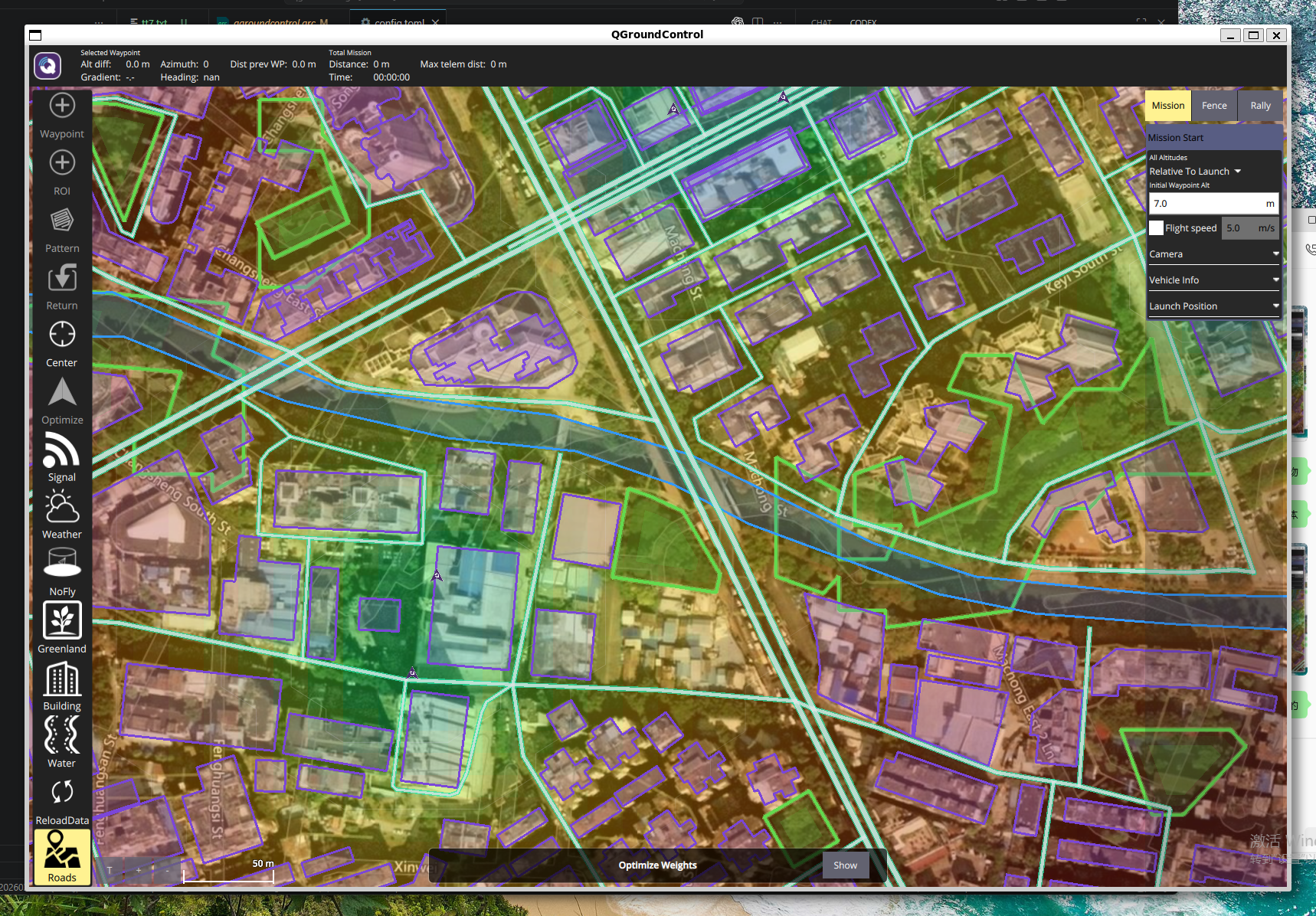
A // DEPLOYMENT
Aerial Deployment Testing
Aerial deployment testing captures the physical transition from release to stable suspended descent.
- Release
- Separation
- Line extraction
- Canopy inflation
- Suspended descent
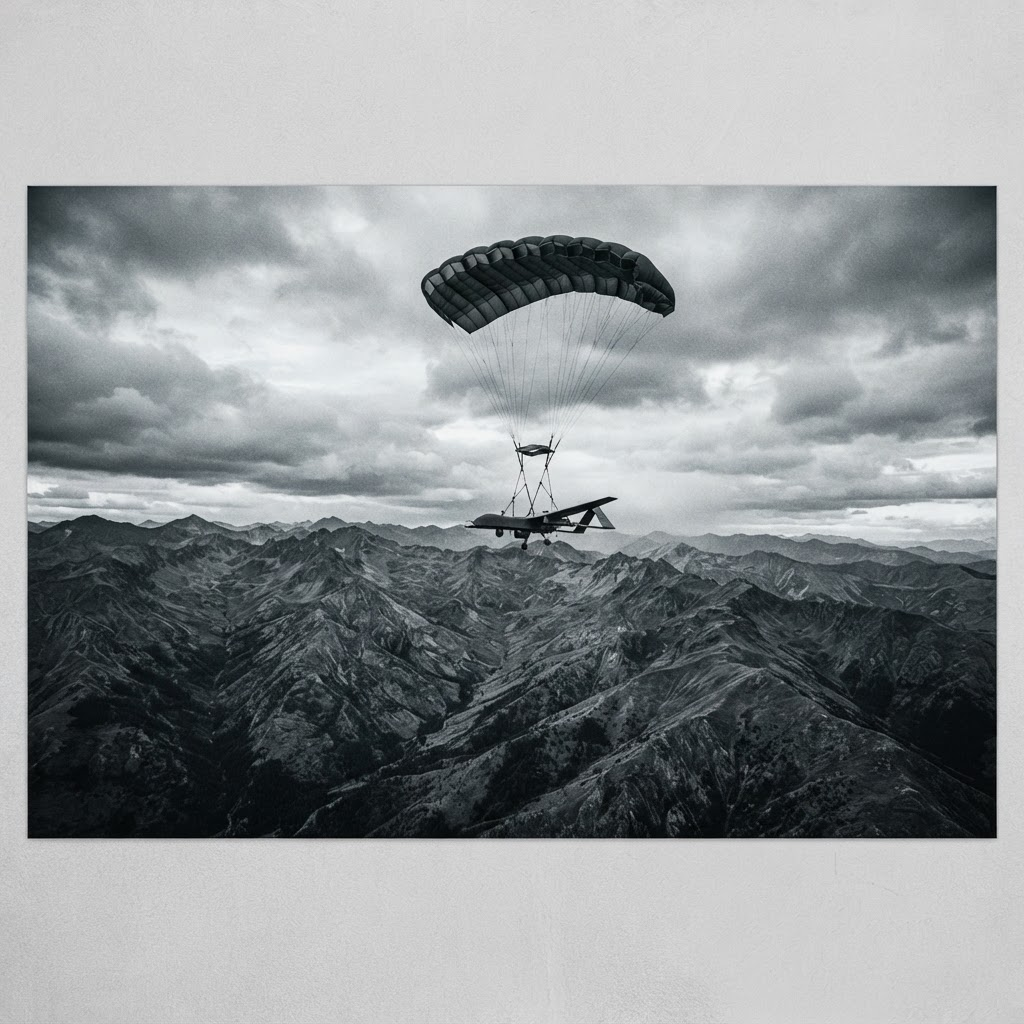
Advanced recovery systems bridging the gap between mission-critical hardware and intelligent descent logic.
Traditional ballistic recovery systems reduce descent speed but do not control where the aircraft lands. AeroGuard investigates guided parafoil recovery toward a designated recovery area.
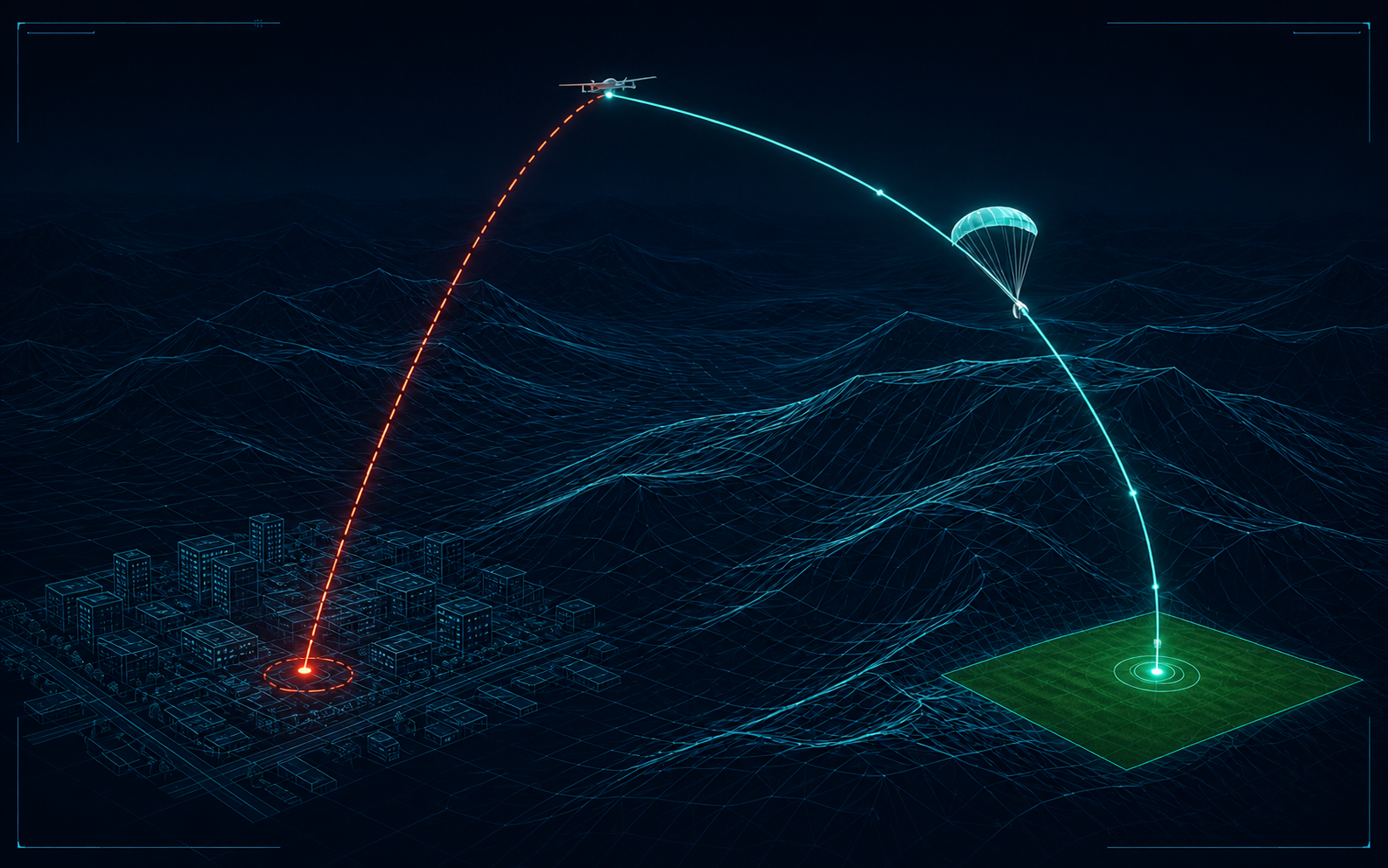
Receives a recovery trigger from the aircraft or safety system.
Releases the recovery package and deploys the parafoil to establish a steerable descent configuration.
Uses onboard state estimates to evaluate parafoil response and select a reachable recovery objective.
Commands brake-line actuation to steer the parafoil toward the designated recovery area.
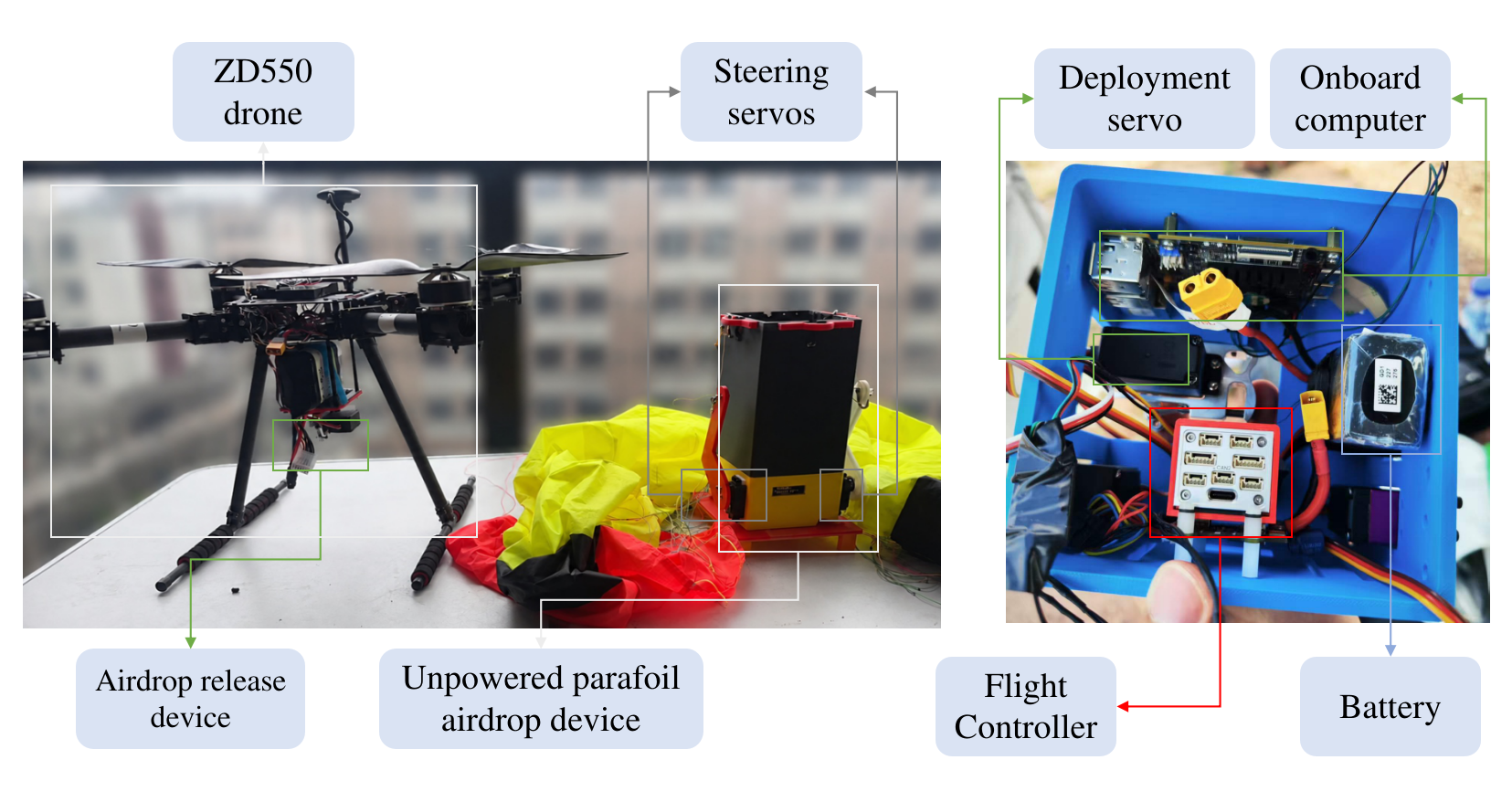
Onboard computing and flight-control interfaces support state estimation, command execution, and recovery-system testing.
Dedicated servos support parafoil deployment and brake-line actuation, enabling the transition from packed recovery system to steerable descent.
The current platform integrates power, sensing, computation, and actuation in a modular payload for deployment, flight-characterization, and closed-loop guidance experiments.
AeroGuard links aerial deployment, flight characterization, and closed-loop guidance into one evidence-driven recovery workflow.
Aerial deployment testing captures the physical transition from release to stable suspended descent.
Flight data feeds the simulator and planner. The physical flight record informs the model, then the planner and guidance logic.
~10 m horizontal touchdown error in a representative field P2P trial.
AeroGuard integrates with a range of autonomous platforms operating over populated and sensitive airspace.
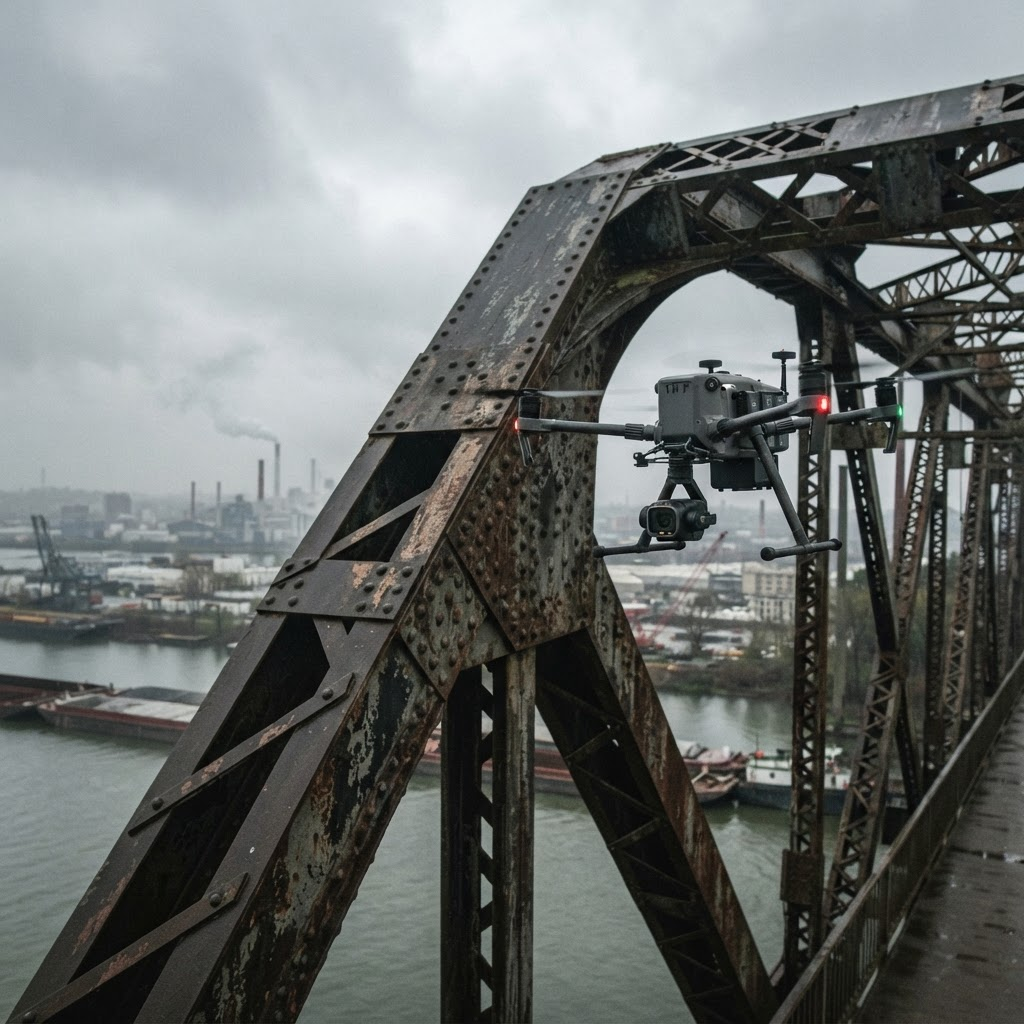
Recovery assurance for drones operating near infrastructure, energy, and industrial assets.

Descent safety for vehicles flying above dense, populated environments.
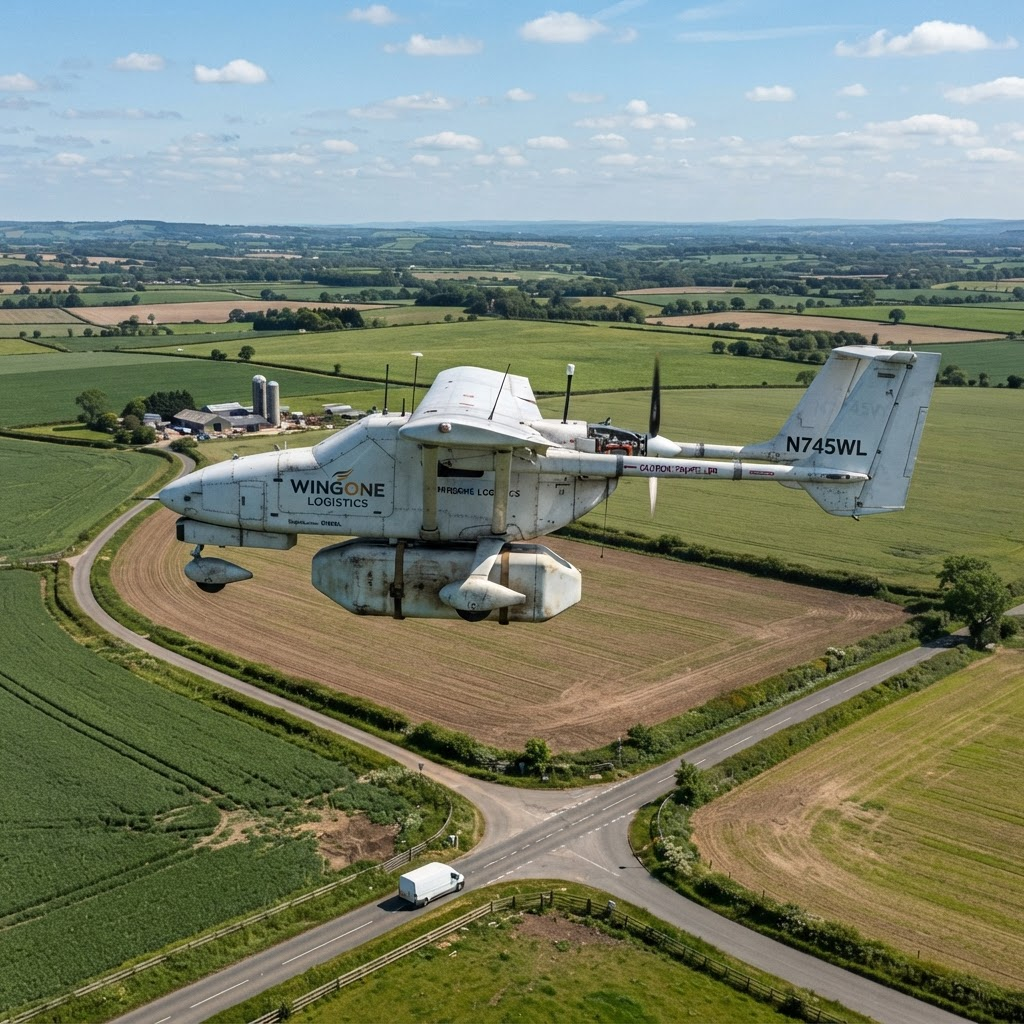
Protecting payloads and ground assets across long-range delivery corridors.
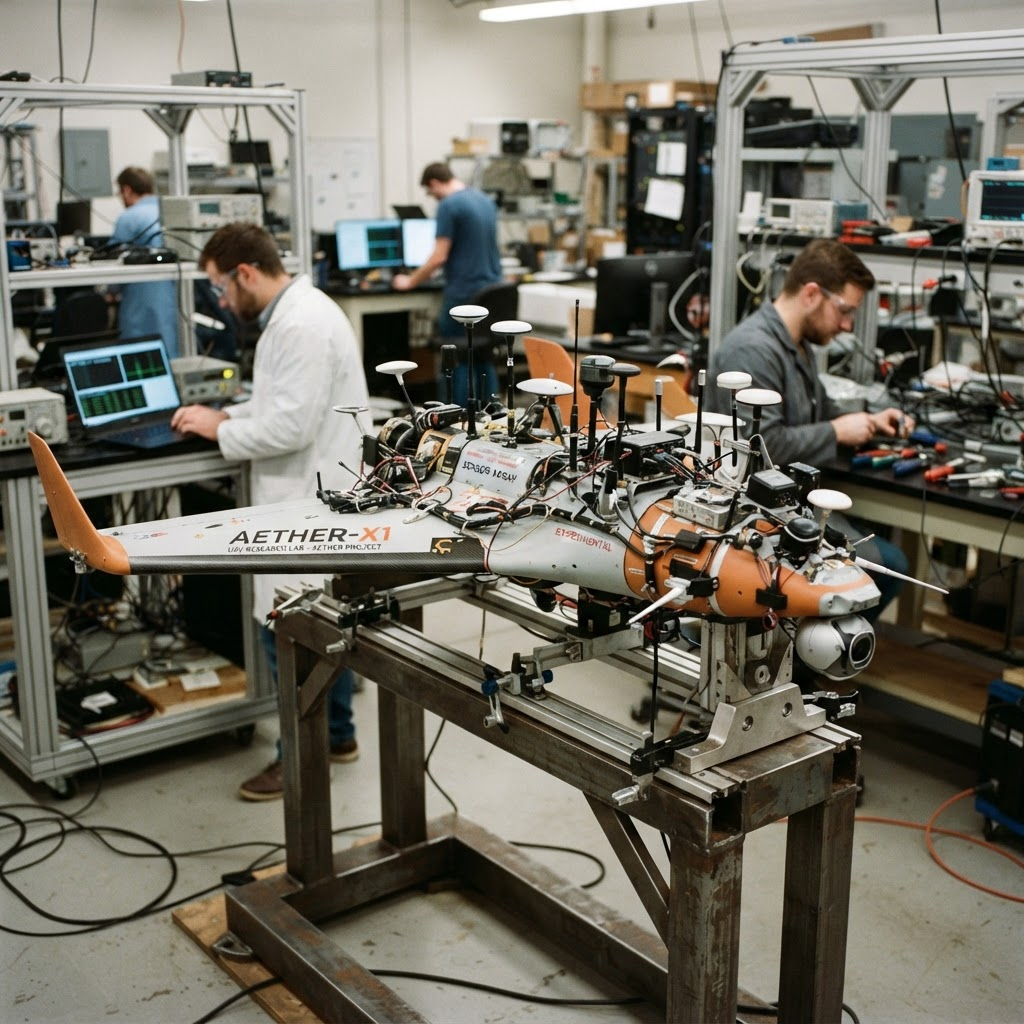
Configurable recovery for experimental airframes and university flight programs.